-

We're hungry for an Aotearoa where everyone has dignified access to enough good food.
Kore Hiakai Zero Hunger Collective is made up of people and organisations who are committed to addressing the root causes of food-related poverty and to working together to create a food secure Aotearoa.
-
We're hungry for an Aotearoa where everyone has dignified access to enough good food.
Kore Hiakai Zero Hunger Collective is made up of people and organisations who are committed to addressing the root causes of food-related poverty and to working together to create a food secure Aotearoa.

What is Food Security?
All people, at all times, have agency and access to enough good* food. Each and every person in Aotearoa has the right to dignified access to enough good food.
*Good food is - affordable, nutritious, enjoyable, wairua nourishing, and inclusive of traditions, beliefs, and cultural practices.
Food security for Aotearoa is achievable. It is about Kotahitanga - taking an all of society approach. We need solutions which recognise that food insecurity is driven by systems, but is experienced by people and Te Taiao.
All systems are human made so we can use our collective power and creativity to imagine and implement different ones that allow all to thrive. Ending food poverty in Aotearoa New Zealand will require a collaborative approach and deep commitment – which makes use of numerous, innovative, interconnected, cross-sector initiatives and policy changes. It requires addressing the impact of colonisation, doing our work to decolonise and prioritising avenues of reindigenisation.
Kore Hiakai are committed to building Te Tiriti grounded, long term, sustainable solutions to ensure all people, at all times, have agency and access to enough nourishing, affordable, sustainably sourced, culturally appropriate food – This is a Food Secure Aotearoa.
Mō tātou, ā, mō ngā uri ā muri ake nei
For us, and for the descendants after us.
The upcoming general election is everywhere at the moment.
Billboards on grass verges and fences, debates and public meetings, events to encourage young people to enrol, posts and comments filling up our feeds. It is easy to become a bit overwhelmed or tired by the amount of information coming at us.
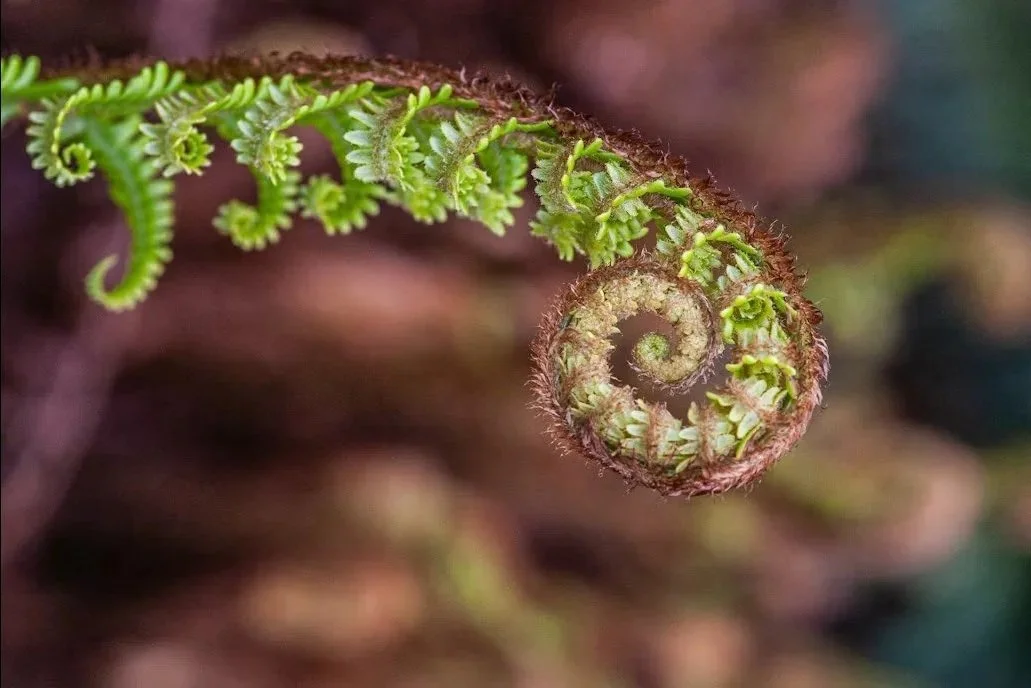
"Kua huri te tau, kua huri te pō, kua tata te rā."
The year has turned, the night has turned, the sun is near. Meaning: Spring is arriving and brighter days are coming.
We have huddled together through the winter months to keep warm, to listen to each other and to deepen our relationships. These times of connection have been a source of sustenance and it is a pleasure to do that across the Kore Hiakai whānau.
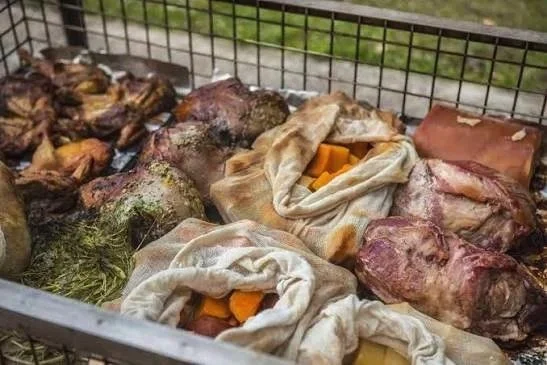
Food stories are everywhere, three Kore Hiakai Collective members think so …
Everyone has a food story, shaped by an incident, a moment, trauma, fun or evoking of memories. These celebrate moments in time, laughter, loss and more importantly whakapapa. We hand those stories down in our own whanau. A good friend told us of her food trauma associated with kawakawa, it was funny and real, and yes kawakawa is food. He kai he rongoā, he rongoā he kai.

"Mā te tokomaha ka kā te ahi"
By the many will the fire be kept burning
Welcome to our June 2026 Pānui
As winter wraps itself around us, many of us are trying to do what we do with less resource. In the midst of that I am so encouraged to know that we know we do not do this work alone. It is in connection, in coming together that we can make our resources go further. The Kore Hiakai team are so grateful to all of you who share your wisdom, your insights, your data, your creativity and your passion to help move Aotearoa New Zealand towards food security and Kai Motuhake.

With the cost of purchasing meat for foodbanks rising sharply, The Salvation Army, along with many other community food groups, has been exploring sustainable and safe alternatives to help maintain access to nutritious protein. Obtaining access to wild meat from the generosity of hunters across Aotearoa New Zealand feels like a brilliant way to collaborate to solve part of this problem and to celebrate our Taiao.
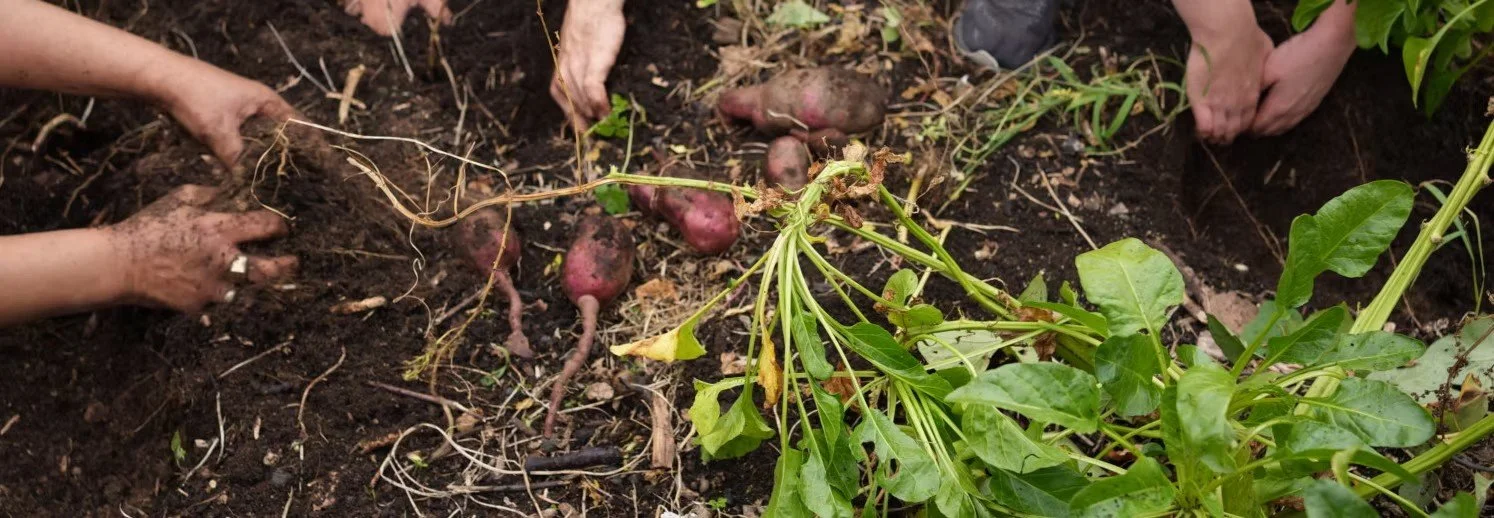
The recent Go Eco Kai Symposium brought together a diverse network of practitioners, community leaders, service providers, growers, and advocates. Each person arrived with a shared commitment: to strengthen kai systems, improve access to kai, and pave equitable pathways toward locally grounded food futures.
This gathering offered a vital opportunity to move beyond deficit framing and instead focus on community-led responses, dignity, and true structural change. Here are some key reflections from two days of deep connection.
Welcome to our May 2026 Pānui
Kia ū, kia manawanui
Be steadfast, persistent and large of heart.
Autumn has brought a shift in light, the mornings carry a quiet chill, as the whenua starts to turn inward. A quiet gathering in, where the whenua lets go with purpose, leaves return to the soil, feeding what is to come next.
This special season of descent meets us when all around us is loud. Across the motu, and the world, many carry the weight, the grief of lives impacted by systems that continue to marginalise, whānau navigating inequity, the ongoing legacy of colonisation that shapes who has access to land, housing, kai and ultimately wellbeing. Frustration as decisions are made that feel disconnected from Te Tiriti o Waitangi, from the lived realities of communities and from solutions out of reach.
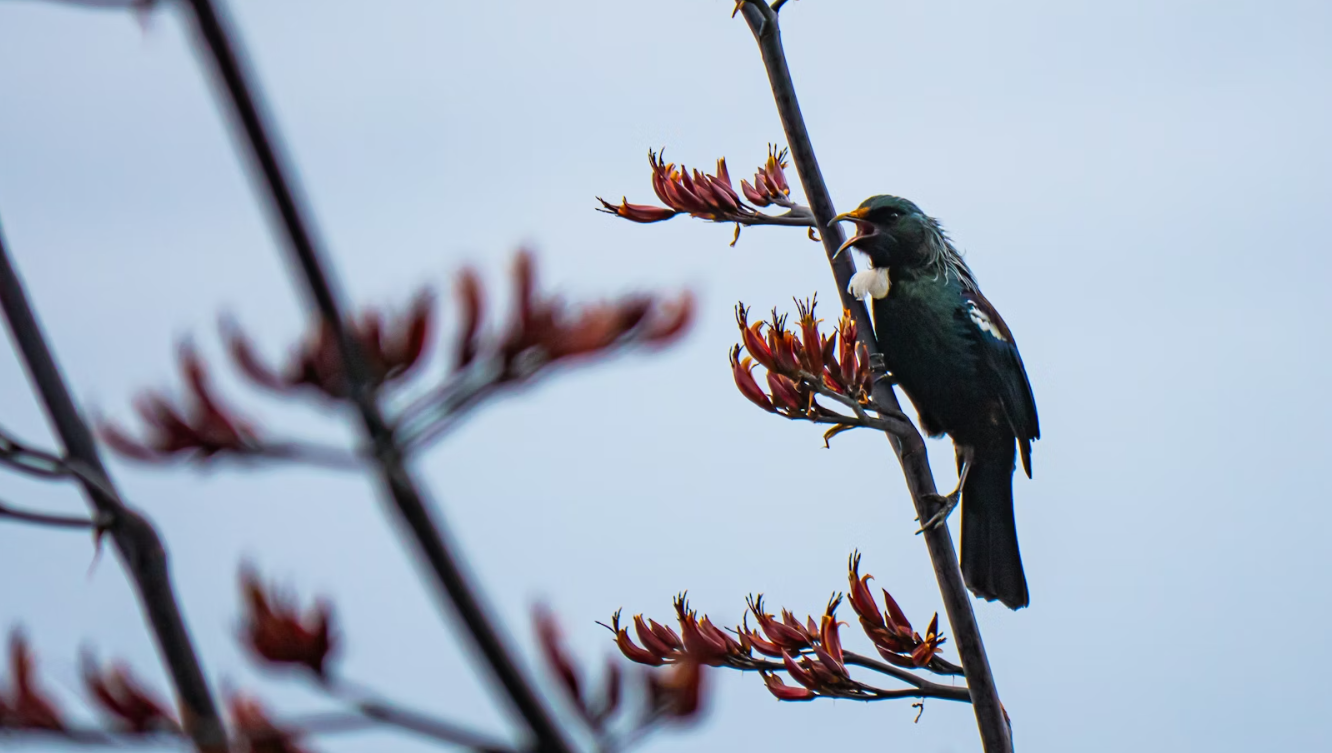
In many professional circles, "thought leadership" has become synonymous with the "cheat sheet"—a pristine, finished product designed to provide quick answers. But true thought leadership isn't a destination; it is a practice. It is less about being the loudest voice in the room and more like the song of the tūī: a clear, resonant note that permeates the noise and cuts through the static of the status quo—a melody that is beautiful, yet sometimes doesn't go where you expect.
To lead in this space is to engage in the work of hearts and minds. It is an invitation to shift narratives, challenge expectations, and reshape the very systems we live in through intentionality.
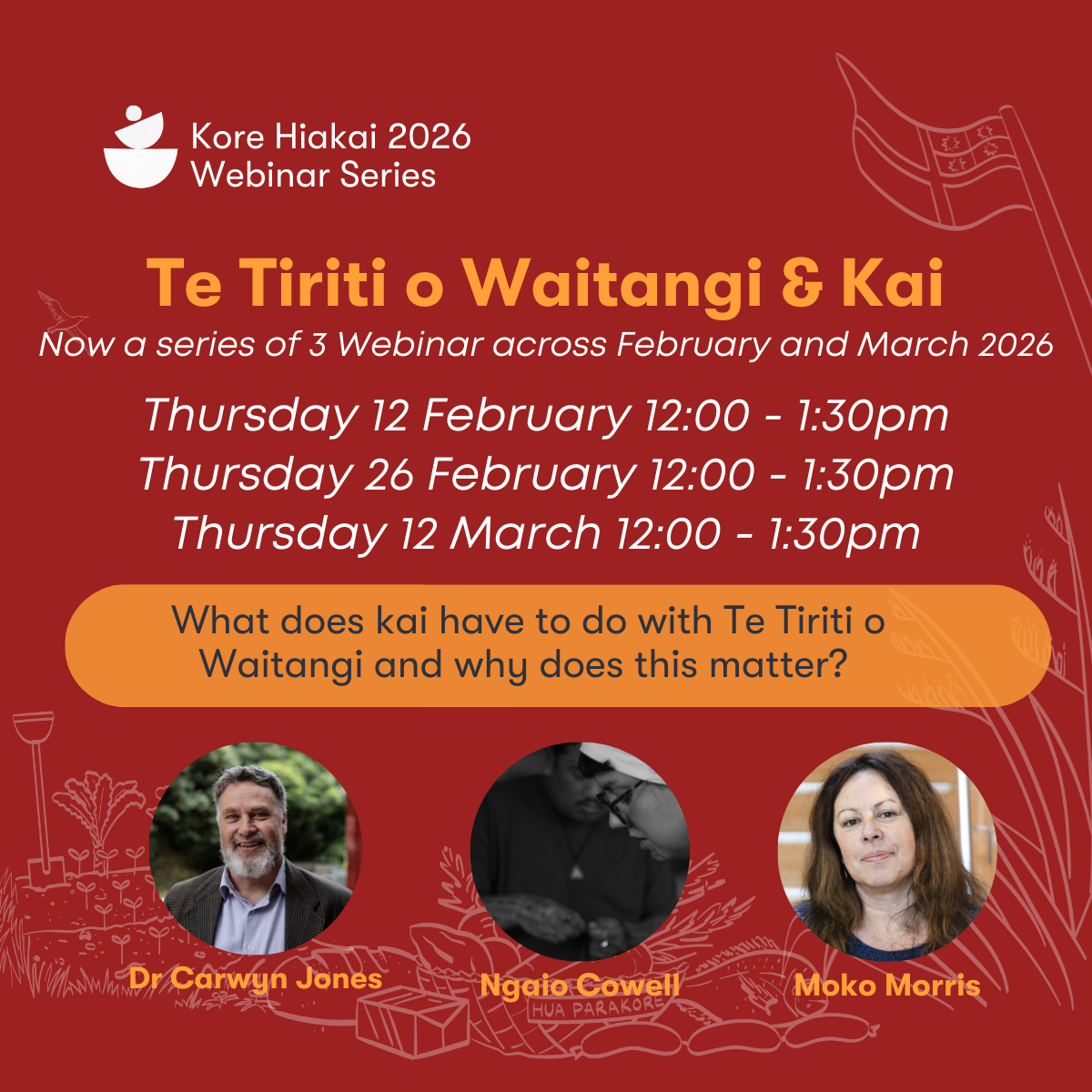
Waitangi Day is a day of many things, amongst which is the invitation and opportunity to reflect on what it means to be people on this land and how we are called to respect, respond and act.
This year we hope that we continue to explore these things together, to challenge each other, encourage each other and work together to create an Aotearoa New Zealand where power is relinquished and shared, where the promises of Te Tiriti are honoured, and where all have enough resources, including kai, to thrive.
For many of you at this time there is an intensity to the mahi around us as we strive to ensure all in our communities have what they need to connect with each other, share with the people they love, and feed their whānau. In a world full of demands and divisions this is a moment for us to pause, even for a moment, to truly see each other and all that makes us different from each other. May it also be a moment to acknowledge all that connects us to each other, to celebrate that we do this crazy dance called life together - and we are all richer because of our differences and diversity, our aroha and our care.
For us at Kore Hiakai it has been wonderful exploring, learning, and creating connection with you throughout 2025.What a privilege - Thank you!
Kore Hiakai Zero Hunger Collective alongside the Tāmaki Makaurau Community Food Distributors Network and the Aotearoa Food Parcel Measure have released The Impact of Community Food Support, a nationwide report that draws on the experiences of 189 whānau across Aotearoa New Zealand, representing 641 people, including 267 children.
The findings are clear: community food support is not only easing immediate hunger, but also strengthening emotional and mental wellbeing, stabilising household finances, and reconnecting whānau to their communities.
“In a country with everything we need to ensure everyone thrives, it is astonishing that one in four households still run out of food,” says Tric Malcolm (Pou Ārahi, Kore Hiakai).
“Whānau told us again and again that food support doesn’t just fill cupboards, it restores dignity, reduces stress, and gives them breathing room to move toward long-term stability. It is not the whole answer to our food insecurity problem in Aotearoa New Zealand, but with this immediate support whanau have an opportunity to find relief.”
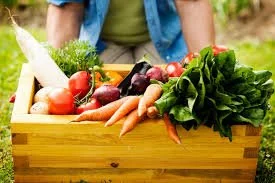
The Salvation Army, Auckland City Mission – Te Tāpui Atawhai, New Zealand Food Network (NZFN), Kore Hiakai Zero Hunger Collective and the Aotearoa Food Rescue Alliance (AFRA), are calling on the government and the Ministry of Social Development (MSD) to commit to long-term, sustainable funding for foodbank and food rescue organisations, as frontline providers face another year of uncertainty.
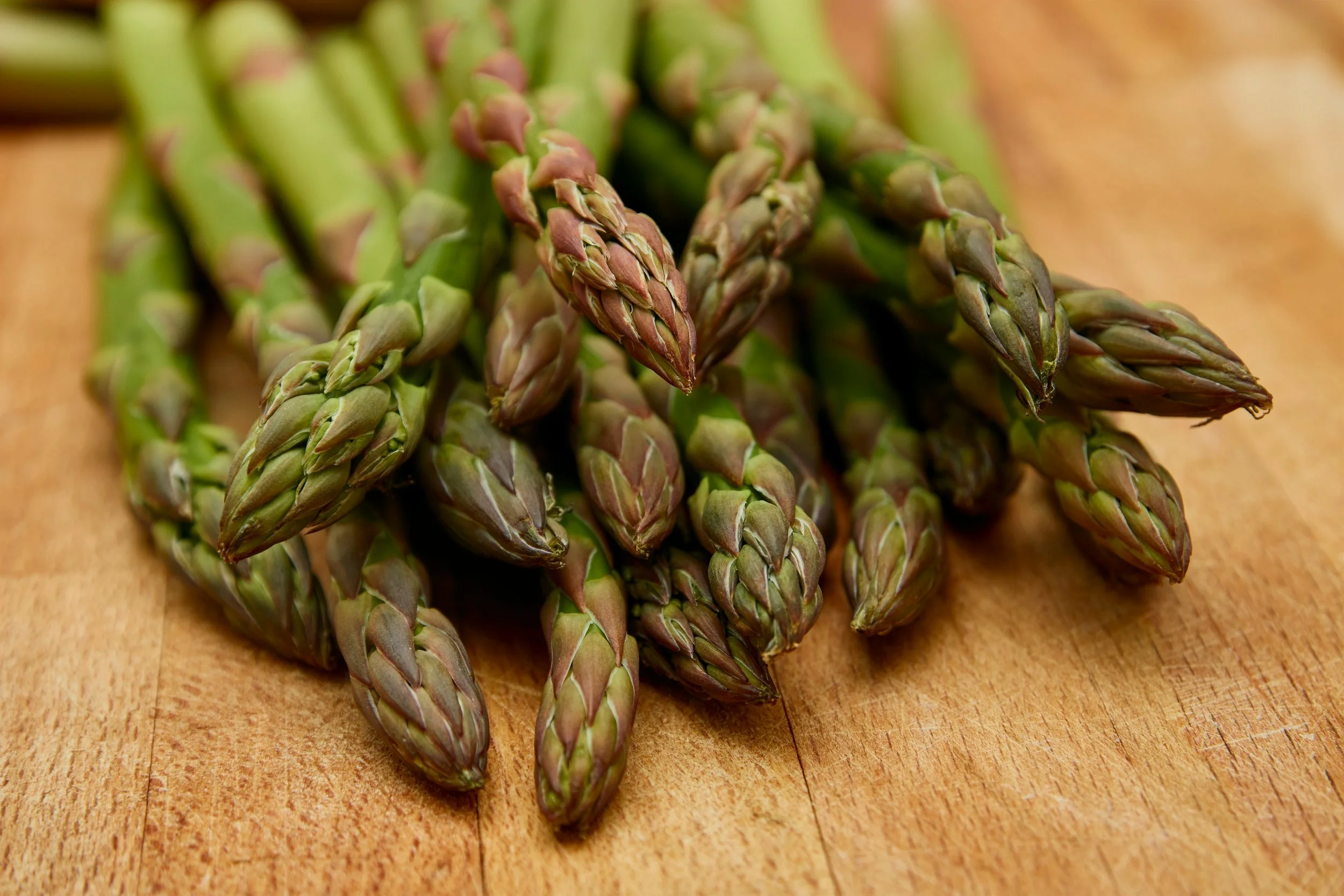
Ka tangi te pīpīwharauroa, ko te karere a Mahuru
When the shining cuckoo sings, it is the messenger of spring
As we watch the green shoots of spring appear, with kererū weighing down the branches in the ngahere, tūī flocking in the kōwhai, spring flowers bringing vibrant colours to our landscapes and days growing longer - there are signs of hope and possibility all around us. Kōanga, or Spring, reminds us that same possibility exists within us, too.
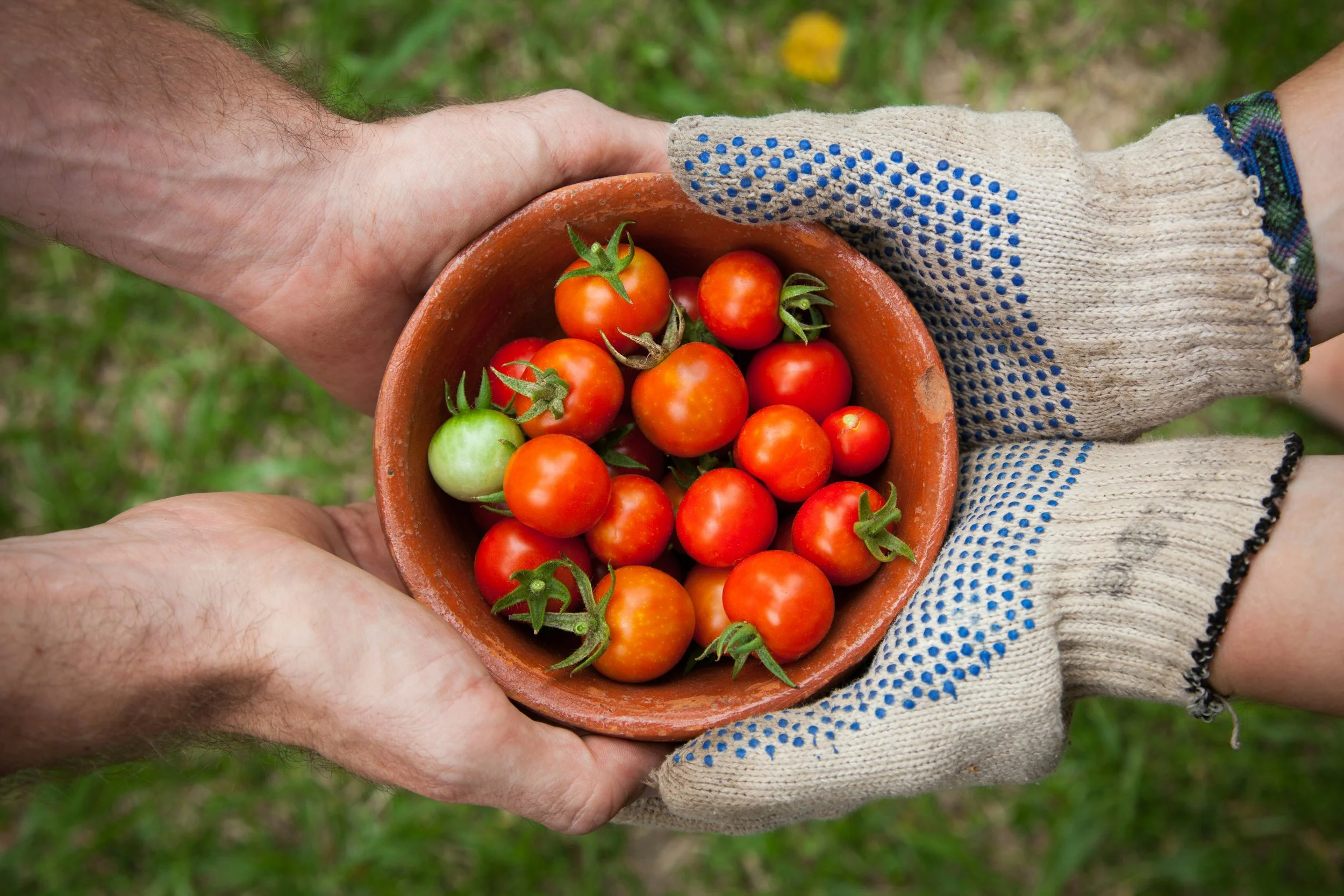
Each year, World Food Day invites us to pause and reflect on how we feed ourselves and each other. The 2025 theme, “Hand in Hand for Better Food and a Better Future,” reminds us that food systems are at their best when built on collaboration across communities, sectors, and generations.
Here in Aotearoa New Zealand, that invitation lands with resonance.
A year on from the publication of our Kai Motuhake resource, our co-authors - Kore Hiakai Kaimahi Moko Morris, Pou Māori and Tric Malcolm, Pou Ārahi - reflect on how it has been carried into different places and spaces.
We also include perspectives from invited contributors discussing how Kai Motuhake now shapes their mahi and is being lived out in their communities.
What does decolonisation and re-indigenisation mean to you in your context or organisation?
Waiho i te toipoto, kaua i toiroa
Let us keep close together, not far apart
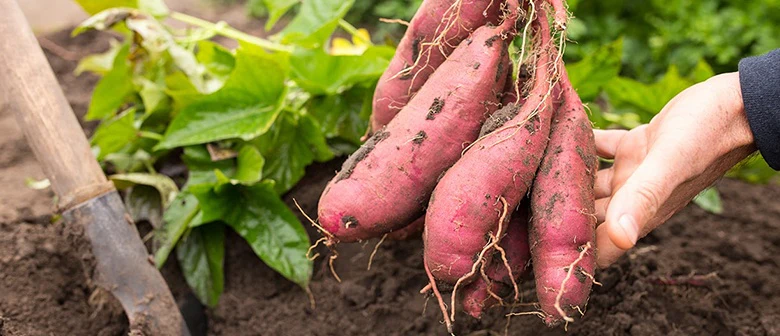
Kōanga is beginning to show itself in the greening of fruit trees, the first blossoms, and kai like kūmara seedlings finding their place in the soil. These signs of renewal remind us that new beginnings are always possible.
This pānui is full of that same sense of possibility and connection, journeying through our Winter Webinar Series, to the follow-on from our July hui Te Whiringa, to new resources and reflections gathered from across our network.
Together, these updates show the breadth of mahi happening across Aotearoa and remind us that when we share, collaborate, and hold each other close, we move further toward a food secure future for all.

In early July, Kore Hiakai hosted Te Whiringa, a two-day national hui held at Zealandia – Te Māra a Tāne in Te Whanganui-a-Tara. We gathered new members to launch our Collective, alongside longtime friends, curious newcomers, our Kai Rawa trustees, and the Kore Hiakai kaimahi unit. We also acknowledge those who couldn’t be there but are a valued part of this journey.
One of our aims was to weave together a diverse tapestry of people from across the food and equity systems. In doing so, we hoped to disrupt our collective thinking and explore how joined-up solutions across sectors and perspectives might create a food secure Aotearoa.

As we pause as a nation this month to observe Puanga and Matariki; - to remember, acknowledge and grieve what we have lost, to cast our eyes to the horizon in awe and seek wisdom from the stars and the rhythms of all our ancestors, and to be hopeful for the year ahead - may we truly pause and pay attention to each of these things.
As we way-find together into the year ahead, serving our communities, making connections, listening to each other, and fostering prosperity and wellness - may our hope be to seek the abundance that will feed our nation in every way and enable us all to heal and thrive.

Our tamariki, our older people, our communities, our schools, our whānau, our whenua, our taiao. These are the things we value. In a world that feels quite hard right now, there is an invitation to soften ourselves and gently hold all that we truly value at the fore.
This year’s Budget Day was a bit of a mixed bag. Iwi, hapū and community food providers are grateful to have some funding continue, especially as we watch so many other seemingly essential services reduced or removed. But the funding that we have been offered is small, a drop in the bucket of our response to poverty and our journey towards a food secure Aotearoa. Yet, even a small pebble can make a ripple that continues to shift a large body of water.

Me hoki koe i tou ūkaipō
Return to your source of sustenance
As this year unfolds, Kore Hiakai is focused on living deeply into our roots – of connecting and collaborating with those committed to the kaupapa of Food Security and Kai Motuhake. These connections feed the soul of Kore Hiakai, re-set us, ground us. They are our music. We hope you find something in our values and our pānui to sustain you, as we work together towards a food secure Aotearoa New Zealand.

Reflecting on our roots reminds us that this kaupapa is about more than addressing hunger—it’s about transforming the systems that shape our lives. Food security is deeply tied to equity, and for Tangata Moana, that means confronting the realities of pay inequity in the very food system they help sustain.
Pasifika people experience food insecurity at higher rates than any other group in Aotearoa. At the same time, many are employed across the food system—often in low-wage roles. This project seeks to understand and disrupt that imbalance by naming the structures that create it, and imagining new ones that allow all our communities to thrive.
In recent months, our Pou Pasifika, Philippa Holmes, has been carrying this kaupapa with care—connecting with Pacific leaders, workers, and thinkers across Tāmaki Makaurau, and helping shape a grounded and collective path forward.

Today, more people are food insecure than ever previously recorded in Aotearoa. 27% of our children – that is 263,000 tamariki - live in homes where food sometimes run out. Food banks are distributing food parcels at around twice the rate they were before COVID. In our current economic climate, unemployment is yet to peak. How we respond to this persistent need for food reveals what we choose to value, as a society.

Ki te kotahi te kākaho, ka whati; ki te kāpuia, e kore e whati
When a reed stands alone it is vulnerable, but a group of reeds together is unbreakable.
Kore Hiakai have an exciting year ahead of us and we hope you might be willing to engage and join with us for parts of it. We want to know about what hopeful mahi is going on in your space too, as it is all our stories put together that helps realise our dream for a food secure Aotearoa.

December has provided Kore Hiakai with the opportunity to pause and remember some of our highlights from 2024 emerging from the deep whanaungatanga we have experienced across the motu. It brings us joy to share some of those with you in this pānui as a spotlight on our best 'shining a light' moments from this past year ✨ Ngā mihi maioha ki a koutou katoa for all you give and share with us.

At Kore Hiakai, we are conscious that Ka Mākona paints a challenging picture of life for whānau on low incomes, when earnings are inadequate to meet their everyday living costs. So, we often ask; where is the hope for our whānau?
To answer this question, Tony Fuemana, GM at Uptempo, Brittany Goodwin, Senior Policy and Advocacy Adviser at Good Shepherd, and Māhera Maihi, CEO at Mā te Huruhuru share with us about how their mahi makes a difference and a vision of their hopes for a brighter future.

He kai kei tātou ringaringa.
There is food at the end of our hands.
He kai kei tātou ringa is a well-known whakataukī that signifies resilience, empowerment, and hope.
Happy Labour Day Weekend!

Whāia te mātauranga hei oranga mō koutou.
Seek after wisdom for the sake of your wellbeing.
As we navigate through the deep troughs of winter, amidst the seemingly constant onslaught of government decisions, we recognise the struggle many of you are having as you grapple with ever-increasing need for food assistance. This puts more pressure on your already over-stretched services while coping with significant funding reductions, and on your efforts to collectively and creatively build food secure communities across Aotearoa. Your efforts help foster the hope that together we can reimagine a way through our current reality.

Through some of the mahi Kore Hiakai does around the motu, we are often asked the following question:
“What does Te Tiriti o Waitangi have to do with food?”
It might be easier to ask; what doesn’t Te Tiriti o Waitangi have to do with food?

Waiho i te toipoto, kaua i te toiroa.
Let us keep close together, not wide apart
This whakatauki speaks to the importance of keeping connected, of maintaining relationships and dialogue so that we can keep moving forward together.
Matariki has set below the horizon and we now begin the wait in the cold crispness of the emerging winter for the return of Matariki. A reminder to acknowledge the wisdom of what has been, to celebrate it and mourn what has been lost while we wait with hope to launch our dreams on the star of Pohutukawa at the end of June. The winter planting calendar reminds us that across much of Aotearoa, even in the frost, carrots can be planted in June. You will not see them for many weeks. But plant now, ready for a spring crop. An act of hope that even with the supposed barrenness of the winter garden, possibility and abundance lurks beneath the soil.
To celebrate Te Wiki o Te Reo Māori and the release of our Kai Motuhake resource –Kore Hiakai invited Kaea Tibble, co-author of Kai Motuhake, to share some of his insights on food sovereignty in the context of Te Tiriti o Waitangi.